
Criminal Court Cases in Callahan County
The 42nd Judicial District Court is the felony trial court for Callahan County. Its District Clerk controls the criminal cause file and can confirm whether a felony charge was filed, the current docket status, and the final judgment. The constitutional County Court generally handles Class A and B misdemeanors, with the County Clerk as the first records counter. A justice court or a city municipal court holds its own Class C, traffic, ordinance, and court-issued process. One name can therefore appear in more than one system without those entries being the same case.
Court identity matters as much as a name. JP1 is in Clyde, JP3 is in Baird, and JP4 is in Cross Plains. Clyde, Baird, and Cross Plains also operate municipal courts. Those limited-jurisdiction records do not automatically become felony dockets. A searcher should note the court, cause number, filing date, and charge on every result before assuming two similar entries belong together.
Callahan County Clerk Choice
Follow the filed offense grade. Contact the District Clerk for a felony or district juvenile cause, the County Clerk for a county-level misdemeanor, and the named justice or municipal court for a fine-only case. The current physical counters for both main clerks are at the Temporary Operations Building, 1257 FM 2047 in Baird, while historic courthouse mailing addresses remain in use. The move matters because an old directory can lead to the wrong counter.
The Callahan County prosecutor page shows the office that evaluates and prosecutes local charges.
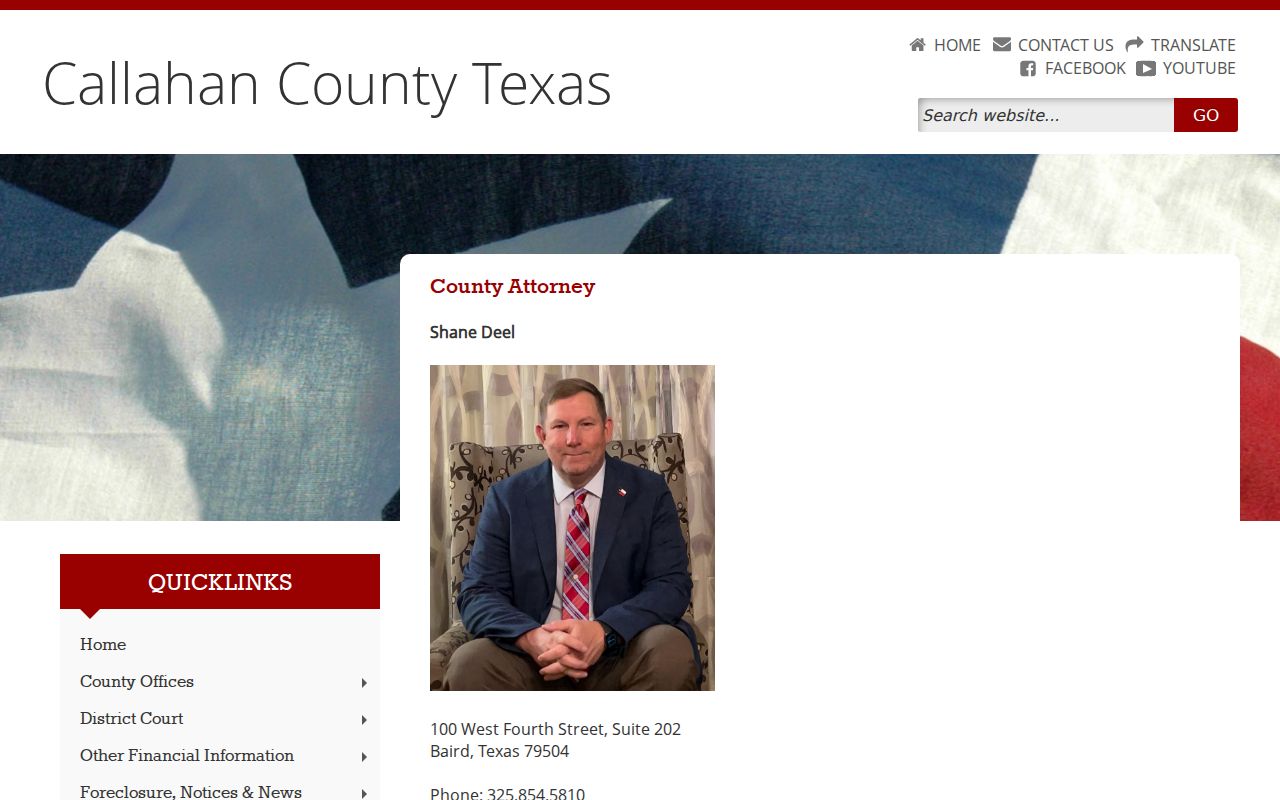
That office may create filings, but the clerk remains the custodian for the filed court record and certified judgment.
Callahan County Case Record Searches
re:SearchTX is the statewide starting point, while Callahan County identifies iDocket and both clerks link to LGS Online Records Search. Coverage and document access vary. A blank online result does not prove that no Callahan County case exists. Older, archived, newly filed, or restricted entries may require a clerk call.
- Choose person, case, or document search and narrow the county or court to Callahan.
- Enter the exact cause number when known. Otherwise use the legal name and a useful date range.
- Filter for criminal case type and confirm the court shown on each result.
- Open the docket and record the filing, plea, order, judgment, and sentence entries.
- Ask the controlling clerk for a plain or certified copy, a cost estimate, and archived-file retrieval if needed.
| Field Label | Type | Required | Notes |
|---|---|---|---|
| Search type | Control | Yes | Person, case, or document options depend on access. |
| Name or party | Text | Search-dependent | Common names can overmatch. |
| Case number | Text | Search-dependent | Best when the exact local cause number is known. |
| County or court | Filter | Optional | Select Callahan and the proper court. |
| Case type or date | Filter | Optional | Narrow to criminal and relevant years. |
Callahan County No-Result Screens
A no-result screen calls for a clerk check, not a final conclusion. Give the clerk the full name, approximate filing year, likely offense level, and any cause number. Ask if the file sits in iDocket, LGS, re:SearchTX, a paper index, or an archive. Also ask whether the online display hides documents that remain available at the counter. Callahan County has not published a criminal search, copy, or certification fee in the reviewed material, so request an estimate before ordering.
Some records are absent for a legal reason. Juvenile information, victim and minor data, sealed filings, expunged records, and confidential identifiers may be withheld or redacted. A clerk can explain the access status without releasing protected content. Court records follow judiciary access rules rather than an ordinary Texas Public Information Act request to the clerk.
For an offline file, ask whether the clerk needs a written copy request and whether the cause has been sent to storage. State whether a plain copy is enough or whether a certified judgment is required for the reader's own legal or historical purpose. Certification attests that the copy came from the clerk; it does not change the outcome. Keep the receipt, cause number, and clerk response together so later checks use the same case identity.
What a Criminal Case File Contains
A Callahan County case file is organized by cause number and court, not by booking number. It records what prosecutors filed and what the judge did. The charge shown at arrest may change before the complaint, information, or indictment is filed. Read the filed instrument and disposition rather than treating the first booking allegation as the final charge.
| Case Number & Court | Cause identifier, assigned court, county, filing date, case type, and status. |
|---|---|
| Charging Document | Complaint, information, or indictment with offense and degree or class. |
| Docket Entries | Filings, motions, pleas, orders, capias events, and judgments where public. |
| Hearing Dates | Settings, time, hearing type, court, and judge when exposed. |
| Disposition & Judgment | Convicted, dismissed, deferred, acquitted, or no-billed result as applicable. |
| Sentence & Conditions | Confinement, community supervision, fines, costs, restitution, and public ledger data. |
Note: A court cost, fine, bond, and restitution entry has a different legal purpose, even when each appears as money owed.
Callahan County Disposition Terms
Short docket labels can change the meaning of a Callahan County result. “Dismissed” means a filed charge ended without conviction. “No-billed” means the grand jury declined an indictment. Deferred adjudication follows a plea and supervision without an immediate finding of guilt, while an acquittal is a not-guilty outcome. A conviction is a judgment of guilt. Check the date and count because one cause can contain several charges with different outcomes.
- Arraignment
- The court reads or identifies the charge and receives a plea.
- Disposition
- The recorded way a charge ended.
- Capias
- A court writ that directs law enforcement to take a person into custody.
- True bill
- A grand jury return of an indictment.
The official local district court page identifies Callahan County's felony court.
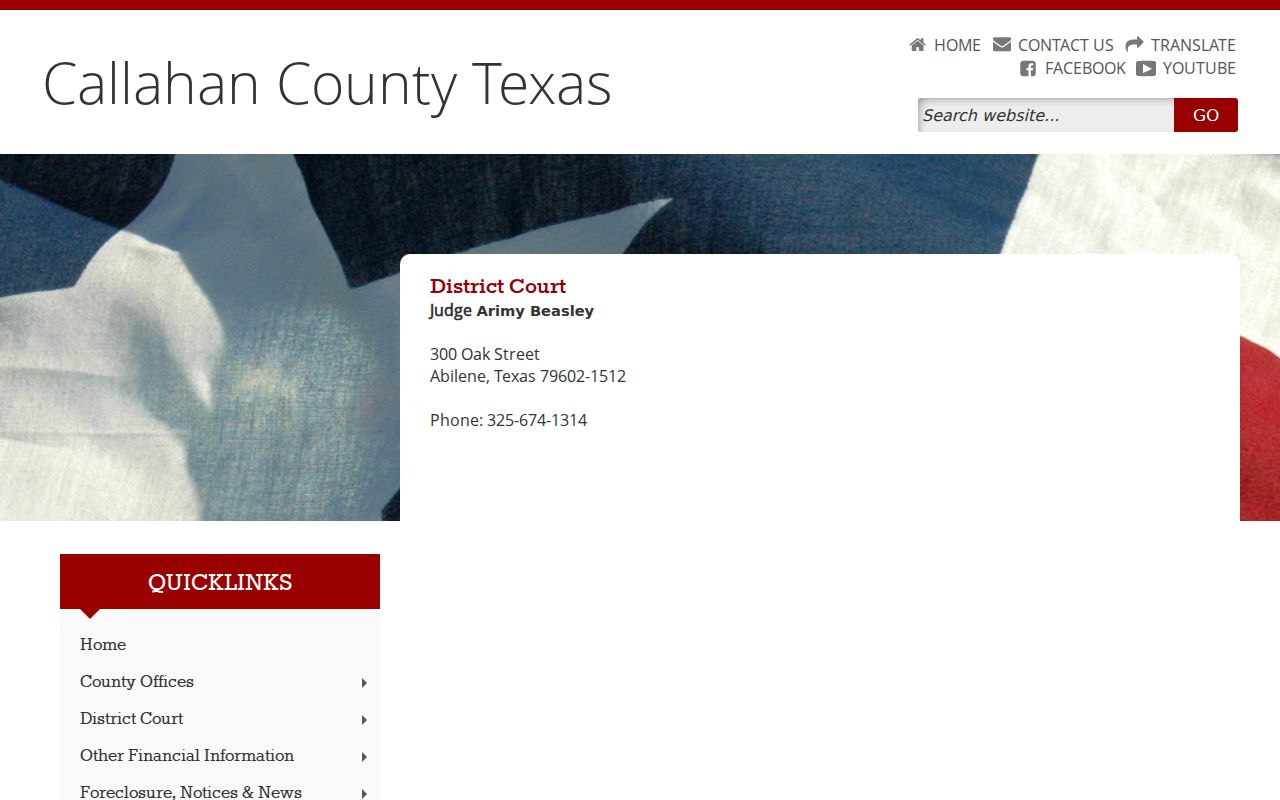
Use it to confirm the court, then obtain the actual docket and judgment from the District Clerk.
Criminal Case Stages in Callahan County
After an arrest, a magistrate gives warnings and addresses probable cause and bail where required. Prosecutors then decide whether and what to file. A felony may proceed through grand-jury review before the District Clerk opens or updates the formal cause. Pretrial motions and settings follow. The case may end through dismissal, a negotiated plea, or trial. Judgment and sentence close the trial-level path, subject to post-judgment action and appeal.
Case flow: Charges Filed › Arraignment › Pretrial › Plea or Trial › Disposition › Sentencing
A person tracking what happened after booking can compare the filed charge here with the county arrest search channels. The documents serve different roles.
Federal Cases Beyond Callahan County
Federal charges arising in Callahan County belong to the U.S. District Court for the Northern District of Texas, not the county District Clerk. The Northern District court site identifies the federal court and its offices.
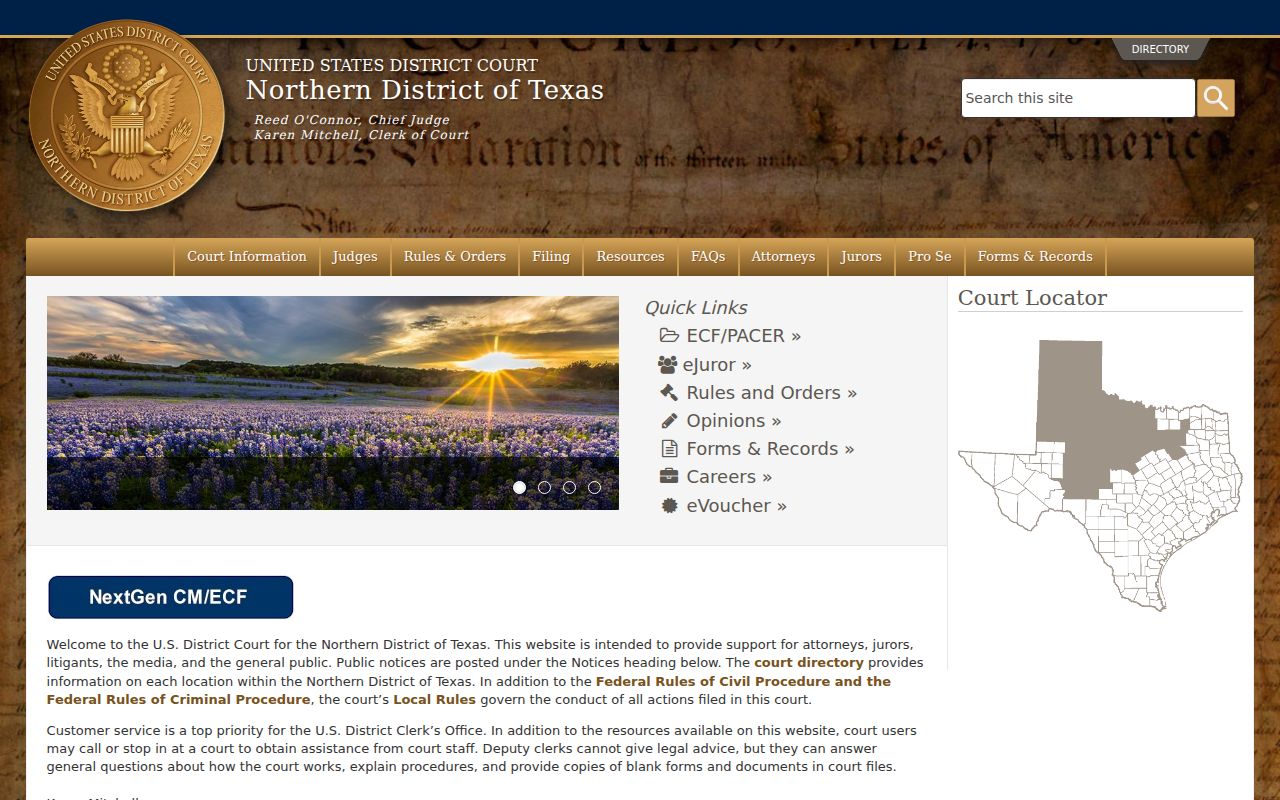
This separate jurisdiction is why a local clerk search may be clear while a federal docket exists.
Filed federal dockets and documents are searched through PACER after registration.
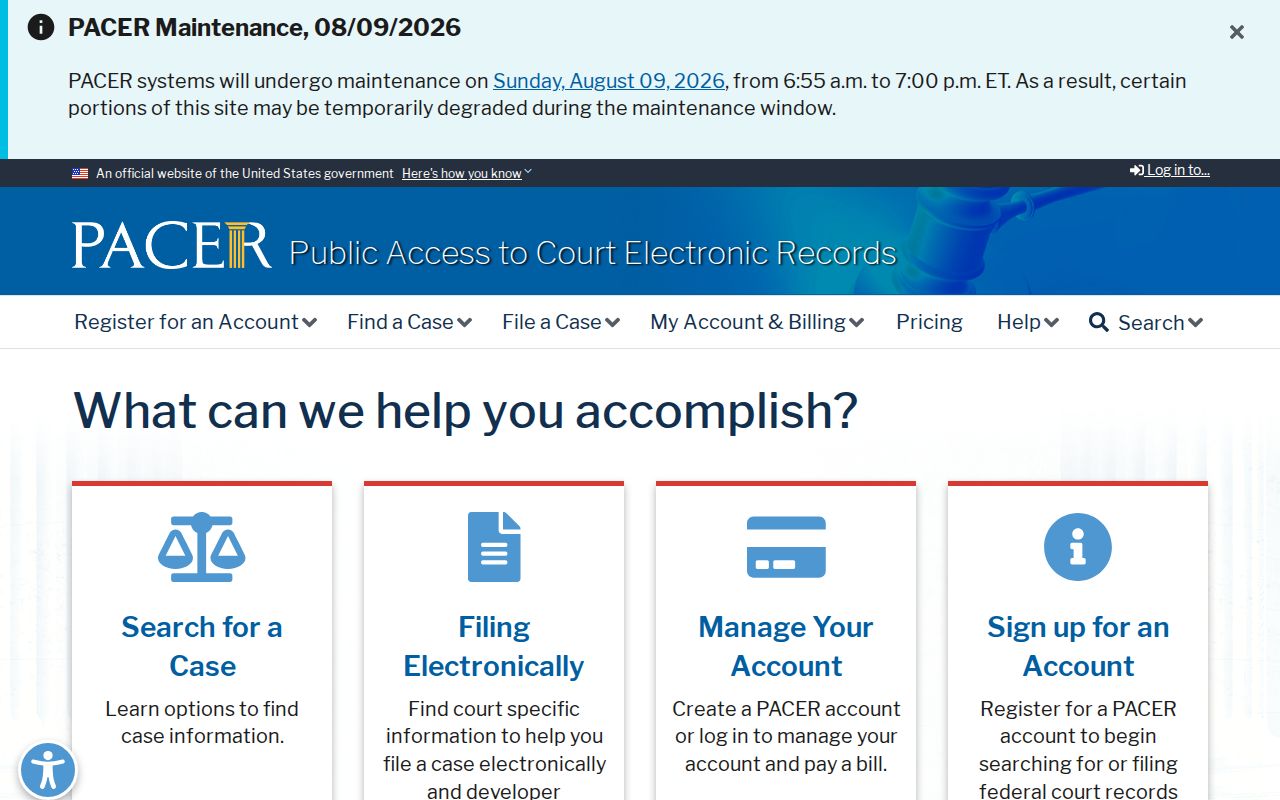
PACER is the official federal access layer, and its current fee schedule should be checked before downloading documents.
Callahan County Sentencing Records
A judgment may order jail or prison time, fines, restitution, or community supervision. Callahan County Community Corrections handles local community supervision, while the Texas Department of Criminal Justice manages state prison custody and parole supervision. These later custody records do not replace the judgment. Start with the clerk when the question is what sentence the court imposed.
Financial lines need the same care. Court costs fund authorized court operations, a fine is punishment, restitution addresses qualifying victim loss, and bond secures appearance or compliance before the result. A balance does not by itself reveal why money was assessed. Read the judgment, sentence, and ledger entry together, then ask the clerk which document is available as a certified copy.
The TDCJ Parole Division explains the supervision layer that may follow release from state prison.
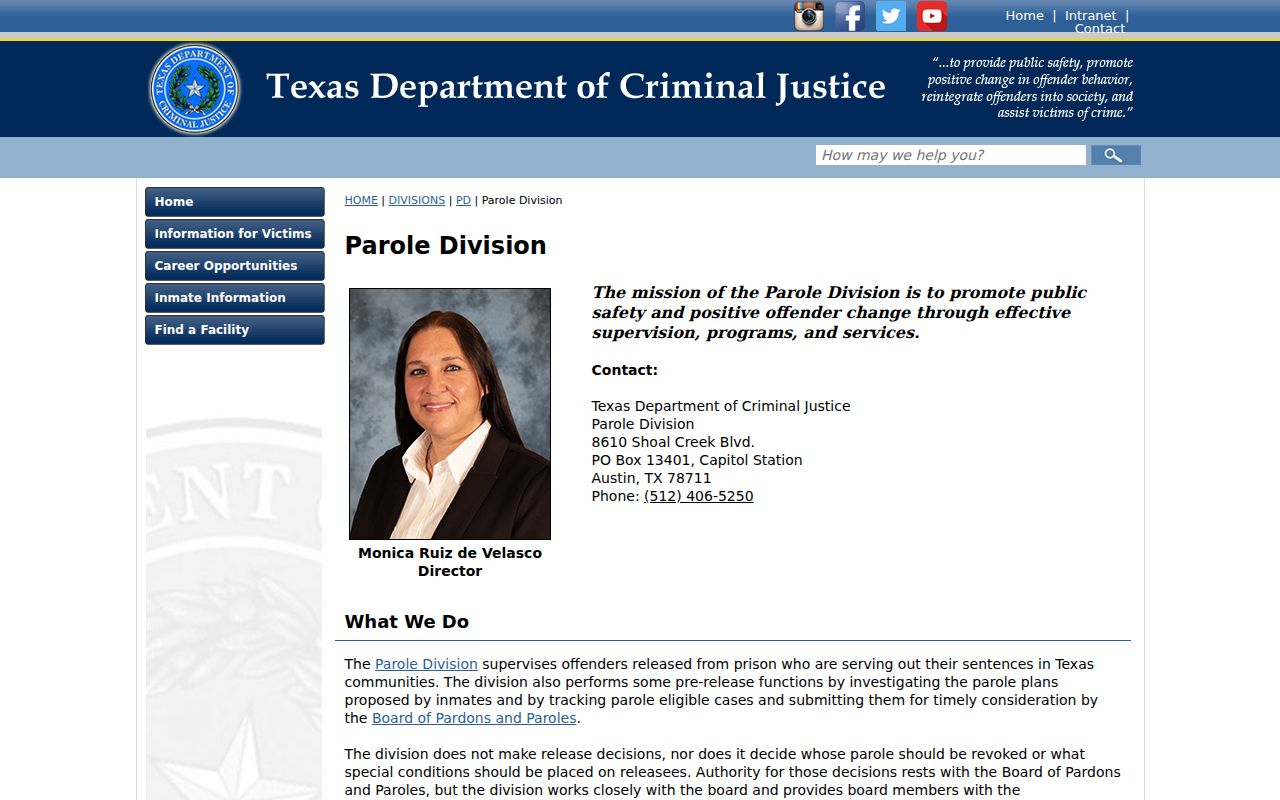
The parole page can clarify current state supervision, but the Callahan County judgment remains the source for the sentence itself.
Access Rules for Case Records
Texas court records are generally open under judiciary access rules, subject to sealing and confidentiality. Online views may omit personal identifiers, victim or minor information, sealed matters, and restricted documents. The Texas Public Information Act governs public information held by executive governmental bodies, but a request for a judicial court file goes through the clerk's court-record process.
Government Code Chapter 411 restricts criminal-history dissemination, while Code of Criminal Procedure Chapter 55A governs expunction. An online portal cannot unlock a nondisclosed, expunged, sealed, or juvenile record. If a public Callahan County judgment is not visible, ask the proper clerk about inspection, a plain copy, or certification and confirm whether a lawful restriction applies.
Accuracy also depends on choosing the originating court. A municipal citation, justice-court complaint, county misdemeanor, and district felony can involve the same person yet use unrelated numbers and custodians. Verify the caption, filing date, offense, and court before relying on a document. When an entry appears incomplete, request the public docket sheet and final order from that clerk instead of assuming a statewide index contains the full Callahan County file.